

Safe transportation of goods is a critical part of modern logistics and supply chain management. Whether products are shipped locally or across long distances, proper packaging plays a major role in preventing damage, loss, and delays. Among the many packaging materials available today, stretch wrap has become one of the most reliable and widely used solutions for securing shipments.
Stretch wrap, also known as stretch film, is designed to hold products tightly together on pallets, creating a stable and secure load. Its strength, flexibility, and durability help protect goods from movement, environmental exposure, and handling damage during transportation. Understanding how stretch wrap supports safe transportation can help businesses improve efficiency, reduce losses, and enhance customer satisfaction.
What Is Stretch Wrap and How Does It Work?
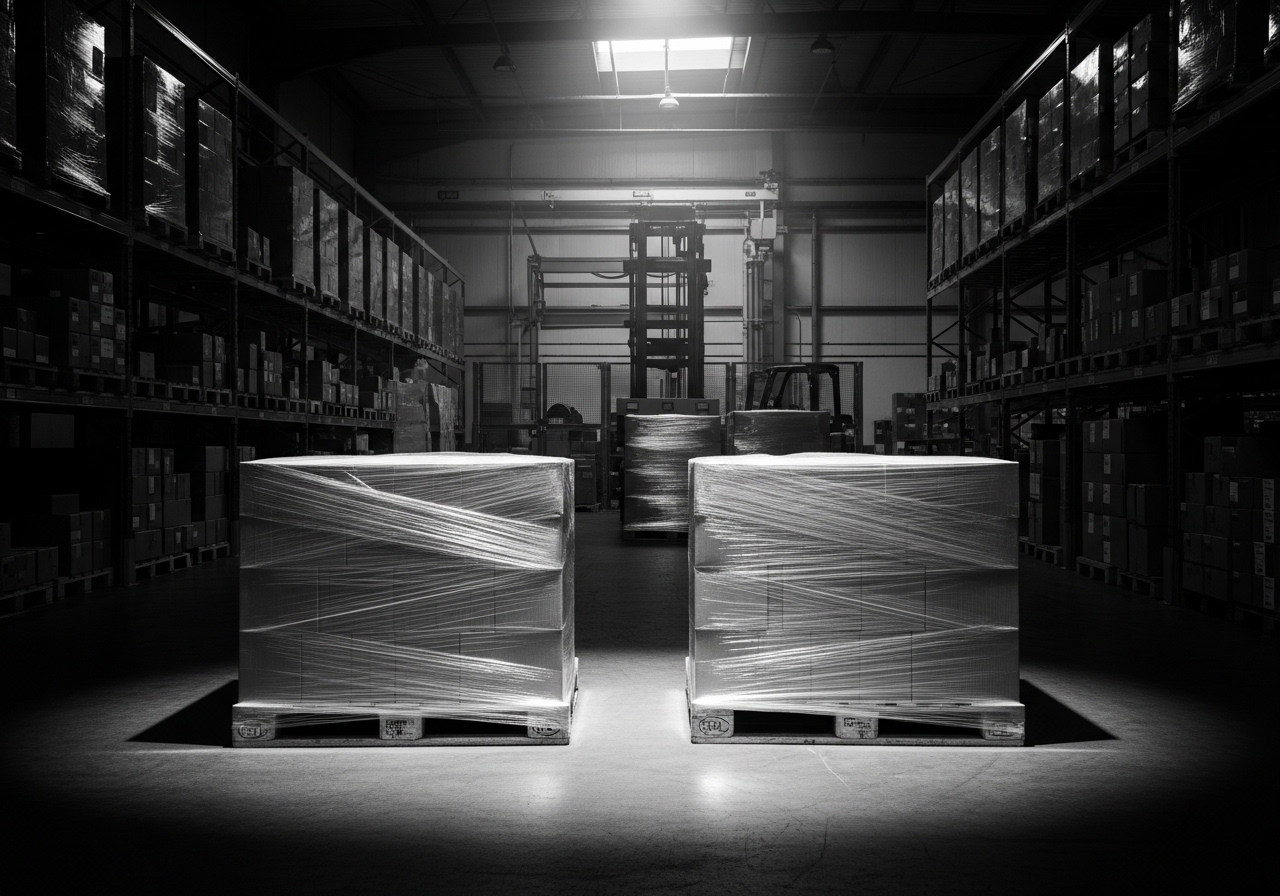
Stretch wrap is a highly stretchable plastic film commonly made from polyethylene materials. It is used to wrap around products and pallets to secure items tightly together. When stretched and applied, the film creates tension that holds items firmly in place.
This tension acts as a protective force that keeps products from shifting during handling and transport. Stretch wrap also forms a protective layer around goods, shielding them from dust, moisture, and external contaminants.
Stretch wrap is widely used in industries such as:
- Logistics and transportation
- Warehousing and distribution
- Manufacturing
- Retail and e-commerce
- Food and beverage
- Construction materials
Its versatility makes it an essential component of safe shipping operations.
The Role of Stretch Wrap in Transportation Safety
Transportation exposes goods to many risks, including vibration, sudden stops, rough handling, and environmental conditions. Stretch wrap helps reduce these risks by providing stability and protection throughout the journey.
When goods are wrapped securely, they remain in their intended position, reducing the likelihood of shifting or falling. This improves load balance and minimizes accidents during transportation.
Key safety benefits include:
- Securing products firmly on pallets
- Preventing load movement
- Reducing risk of falling items
- Supporting safe stacking
- Improving overall transport stability
These advantages make stretch wrap an important tool in maintaining transportation safety.
How Stretch Wrap Improves Load Stability
Load stability is one of the most important factors in safe transportation. Unstable loads can shift during transit, causing product damage or safety hazards.
Stretch wrap improves load stability by creating consistent pressure around palletized goods. This pressure binds individual items together, transforming them into a single stable unit.
Stable loads provide several benefits:
- Reduced product movement
- Improved pallet balance
- Safer handling during loading and unloading
- Better stacking performance
- Reduced risk of accidents
By improving load stability, stretch wrap helps ensure that shipments arrive safely and intact.
Protection Against Dust, Moisture, and Contaminants
During transportation, goods are often exposed to environmental elements such as dust, dirt, and moisture. These elements can damage packaging and affect product quality.
Stretch wrap creates a protective barrier that helps shield products from external contaminants. This protection is especially important for sensitive goods such as:
- Food products
- Electronics
- Pharmaceuticals
- Paper goods
- Textiles
Keeping goods clean and dry during transportation reduces damage and maintains product quality.
Reducing Product Damage During Transit
Product damage during transit is a major concern for businesses. Even small movements inside a pallet can lead to broken items, crushed boxes, or spilled contents.
Stretch wrap helps reduce damage by holding products tightly together and preventing sudden movement. Its elasticity absorbs shocks and vibrations that occur during transportation.
Reduced product damage leads to:
- Fewer returns
- Lower replacement costs
- Improved customer satisfaction
- Better brand reputation
Reliable packaging plays a direct role in maintaining product quality during shipping.
Enhancing Safety for Workers and Equipment
Stretch wrap not only protects goods but also improves safety for workers and equipment. Loose or unstable loads can create hazards in warehouses and loading areas.
Securely wrapped pallets are easier to move using forklifts and pallet jacks. Stable loads reduce the risk of items falling, which helps prevent injuries and equipment damage.
Worker safety benefits include:
- Reduced handling risks
- Safer pallet movement
- Improved workplace efficiency
- Lower accident rates
Safe transportation begins with safe packaging practices.
Supporting Efficient Loading and Unloading
Efficient loading and unloading processes are essential for smooth logistics operations. Stretch wrap helps maintain load integrity during handling, allowing goods to be moved quickly and safely.
When loads are wrapped properly, they maintain their shape even during repeated handling. This makes stacking, loading, and unloading faster and more reliable.
Efficient handling provides:
- Faster shipping operations
- Reduced downtime
- Improved workflow productivity
- Better inventory management
Stretch wrap plays a key role in streamlining transportation processes.
Cost Savings Through Damage Prevention
One of the biggest advantages of stretch wrap is its ability to reduce costs associated with damaged shipments. Damaged goods can lead to financial losses, customer complaints, and operational delays.
By securing products and reducing movement, stretch wrap minimizes the likelihood of damage during transportation.
Cost-saving benefits include:
- Lower replacement expenses
- Reduced shipping claims
- Less product waste
- Improved operational efficiency
Investing in high-quality stretch wrap can result in long-term financial savings.
Supporting Long-Distance Transportation
Long-distance transportation increases the risk of load movement and environmental exposure. Stretch wrap provides consistent protection throughout extended journeys.
Its flexibility allows it to maintain tension even when loads shift slightly due to movement or temperature changes. This ensures that products remain secure regardless of travel distance.
Long-distance shipping advantages include:
- Reliable load containment
- Consistent protection
- Reduced transportation risks
- Improved delivery reliability
Stretch wrap supports safe shipping across various transportation routes.
Choosing the Right Stretch Wrap for Transportation
Selecting the right stretch wrap is essential for achieving optimal performance. Different loads require different types of wrap depending on their weight, size, and handling conditions.
Factors to consider when choosing stretch wrap include:
- Load weight
- Pallet size
- Product type
- Transportation distance
- Environmental conditions
Using the correct stretch wrap ensures that goods remain secure throughout transportation.
Best Practices for Using Stretch Wrap Safely
To maximize the benefits of stretch wrap, proper application techniques should be followed.
Recommended best practices include:
- Secure the base of the pallet first
- Maintain consistent tension while wrapping
- Overlap layers evenly
- Reinforce the middle section
- Wrap the top securely
- Inspect wrapped loads before shipping
Following these steps improves load security and reduces transportation risks.
Industries That Benefit from Stretch Wrap Transportation Safety
Stretch wrap supports safe transportation across a wide range of industries.
Common industries include:
- Logistics and freight
- Manufacturing
- Retail distribution
- Food and beverage
- Pharmaceuticals
- Construction materials
Each industry relies on secure packaging to maintain product safety during transit.
Environmental Benefits of Efficient Stretch Wrapping
Modern stretch wrap technology allows businesses to use less material while maintaining strong load security. Efficient wrapping reduces material waste and supports environmentally responsible packaging.
Sustainability benefits include:
- Reduced plastic usage
- Lower waste generation
- Improved storage efficiency
- Better resource management
Using advanced stretch wrap materials helps businesses balance performance and sustainability.
Conclusion
Stretch wrap plays a vital role in supporting safe transportation of goods across industries. By improving load stability, protecting products from environmental exposure, and reducing movement during transit, stretch wrap helps ensure that shipments arrive safely and efficiently.
Businesses that use high-quality stretch wrap and follow proper wrapping techniques can reduce product damage, enhance worker safety, and improve overall transportation reliability. As logistics operations continue to grow, stretch wrap remains one of the most dependable tools for maintaining safe and secure shipments.